



A 38-year-old software engineer who lead a sedentary lifestyle was getting ready for work when he felt a familiar burning sensation in his chest. Like most people, he assumed it was acidity. He opened his medicine cabinet, swallowed an antacid, and left for work.
For a while, the discomfort settled. But by afternoon, the burning returned. This time, it was accompanied by profuse sweating, radiating pain in the left arm, breathlessness and unusual tiredness. His colleagues noticed that he looked pale and immediately rushed to a nearby hospital.
An ECG was performed within minutes. The diagnosis surprised everyone. It was not acidity. He was having a Heart attack (Myocardial infarction). Fortunately, he reached the Hospital in time and received prompt treatment. A delay of another hour or two could have changed his life forever. Stories like this remind us of an important truth: our bodies often whisper before they cry for help. Unfortunately, many of us choose to silence those whispers with over-the-counter medicines instead of finding out what is actually wrong.
Self-medication has quietly become a part of our daily lives. A headache is treated with a painkiller, a fever with leftover antibiotics, stomach pain with an antacid, and a cough with medicines recommended by friends or social media. While these medicines may provide temporary relief, they can also hide serious illnesses and delay the right treatment.
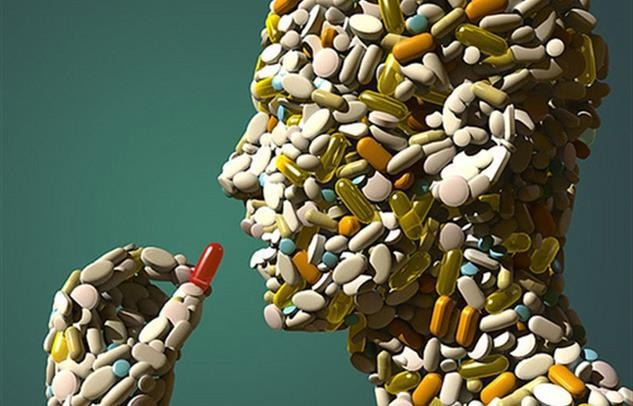
Not every headache is due to stress. Not every fever is viral. Not every stomach pain is acidity. And not every burning sensation in the chest is caused by excess acid. Sometimes, these are warning signals that deserve immediate medical attention.
Doctors today are also deeply concerned about the increasing misuse of antibiotics. Taking antibiotics without proper medical advice, or stopping them without completing the course, is creating antibiotic-resistant bacteria. As a result, infections that were once easily curable are becoming increasingly difficult and expensive to treat. Painkillers, too, are often taken casually. Few people realise that excessive use can damage the Kidneys, Liver, Stomach, and even the Heart. Medicines are among the greatest discoveries of modern medicine, but only when they are used prudently.
This Doctors’ Day, the greatest tribute we can pay to the medical profession is not by wishing doctors alone, but by becoming responsible patients. Listen to your body. Ask questions. Seek medical advice when symptoms persist or seem unusual. A doctor’s consultation may take only a few minutes, but it can prevent lifelong complications.
Follow these Simple Tips –
– Do not ignore persistent chest pain or burning.
– Never take antibiotics without a doctor’s prescription.
– Avoid using old prescriptions for a new illness.
– Read medicine labels carefully and follow the recommended dose.
– Consult a qualified doctor if symptoms do not improve or become worse.
Medicines can relieve symptoms, but they cannot replace a proper diagnosis. The next time you reach for an over-the-counter medicine, pause for a moment and ask yourself: “Am I treating the disease, or merely hiding its symptoms?” That one question could save your life.

About the Author: Dr. Pramod N Sulikeri, Ph.D
Quality Manager & Sr. Transplant Coordinator, CentraCare Hospital, Belagavi
98443 66188
Dr Pramod Sulikeri has dispensed sound medicine with his advice.
I will only add : have a family doctor who knows you and your families health thoroughly and ping him/ her when in doubt.