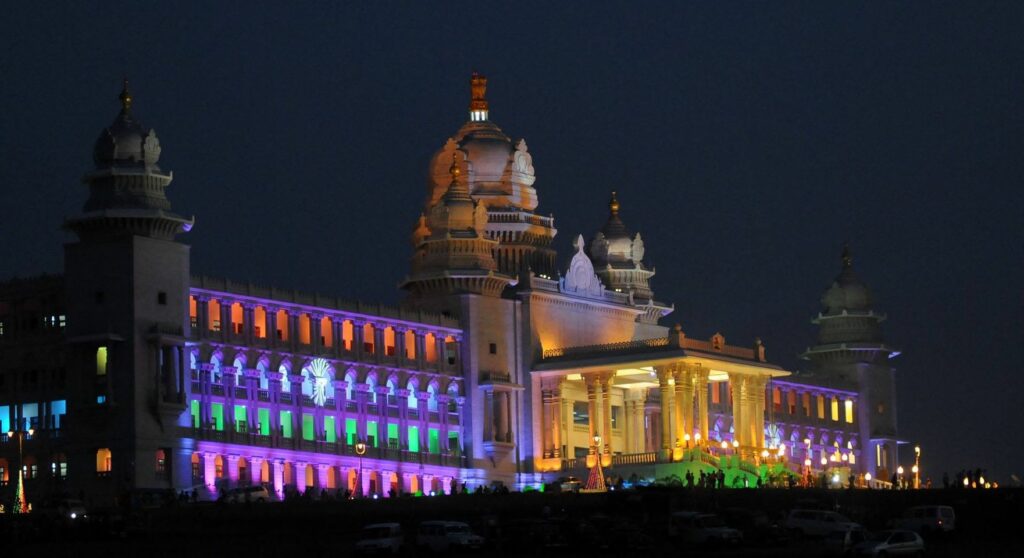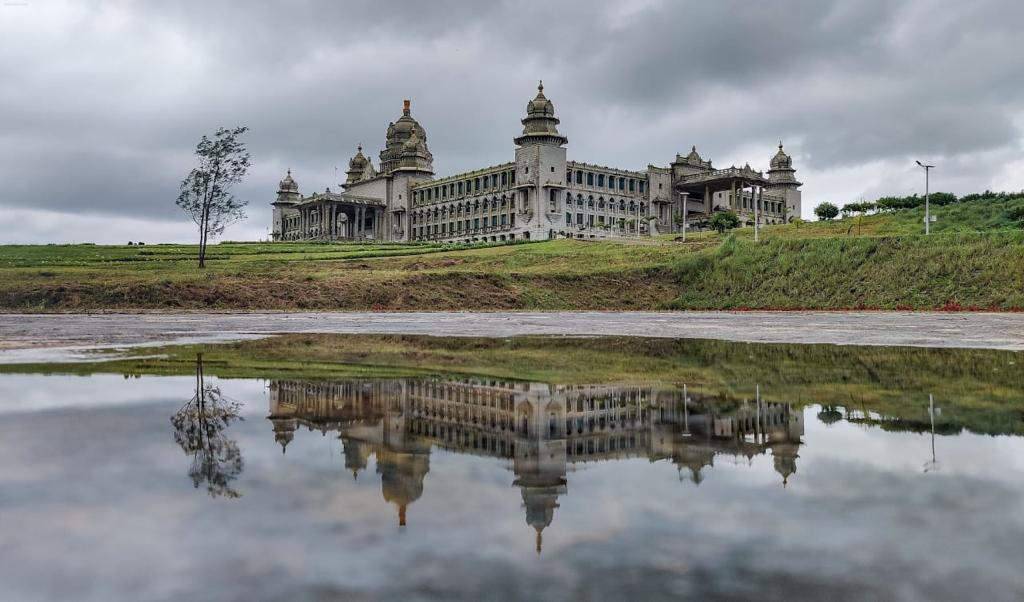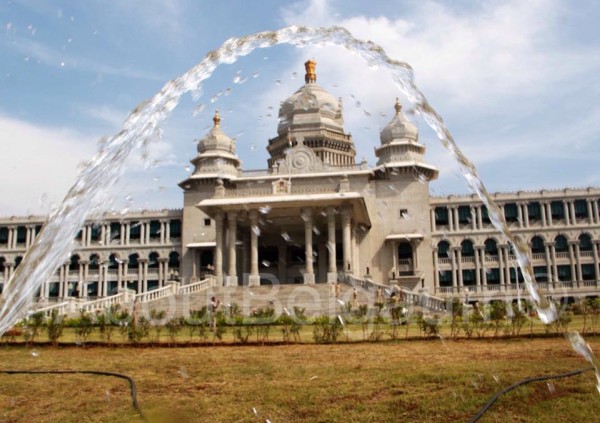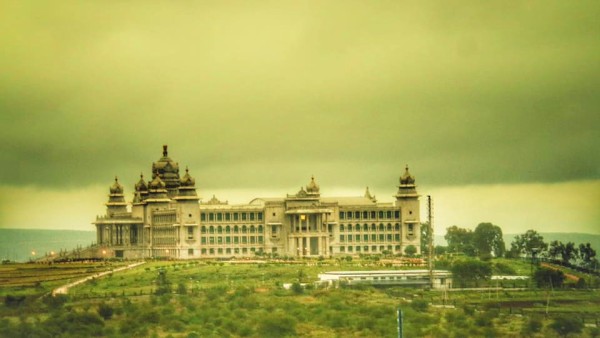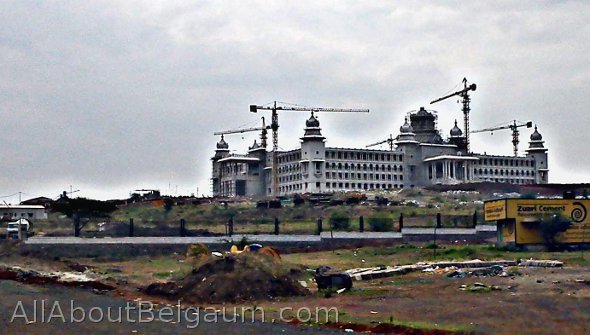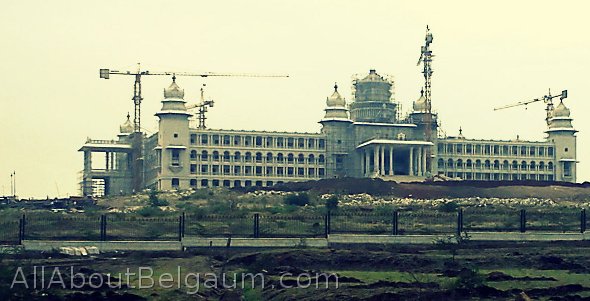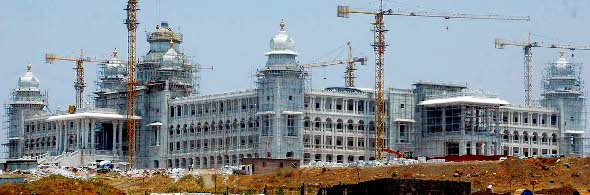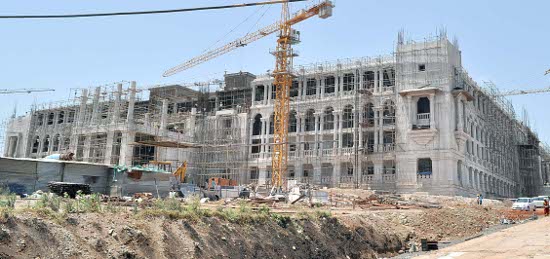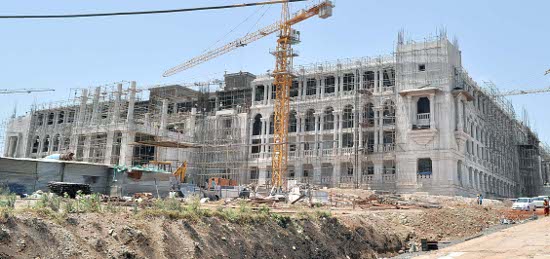



Fourteen years after its inauguration, Belagavi’s grand legislative complex continues to raise questions about public expenditure, limited use, and its promise to bring governance closer to North Karnataka.
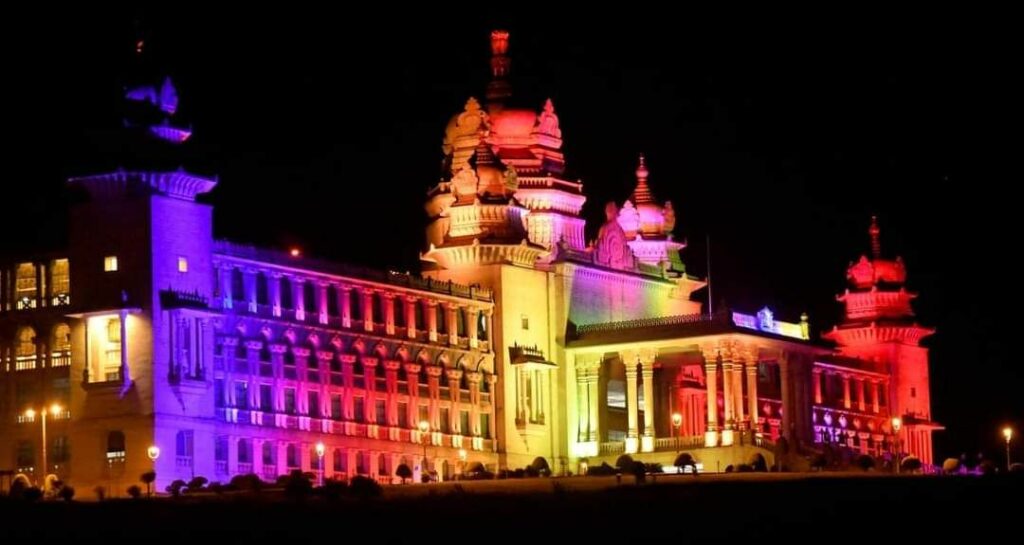
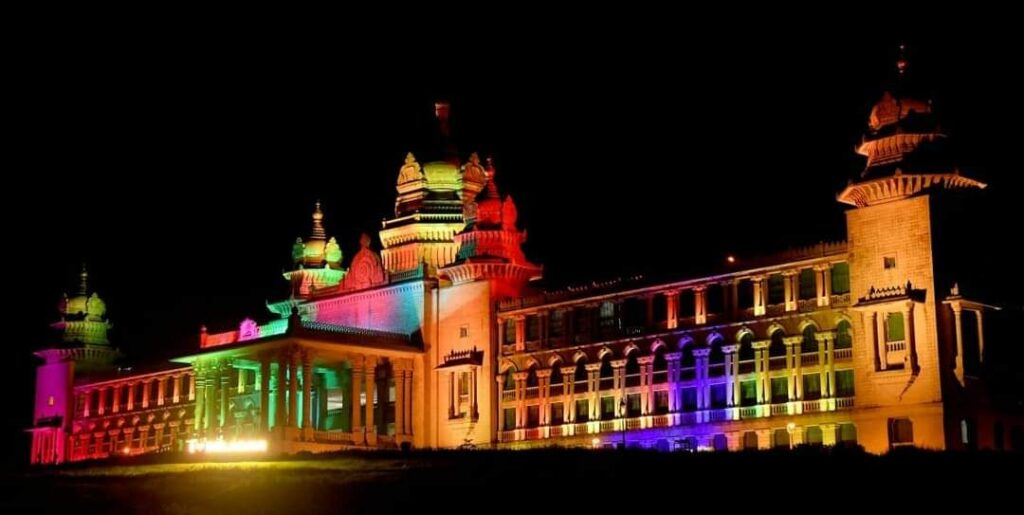
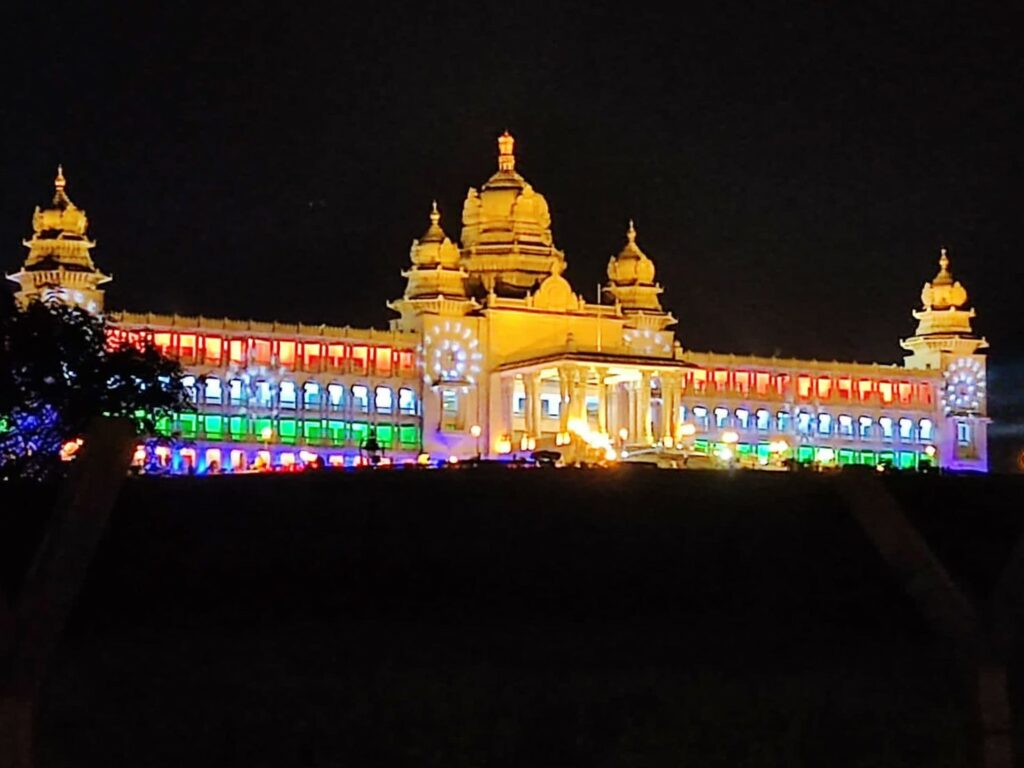
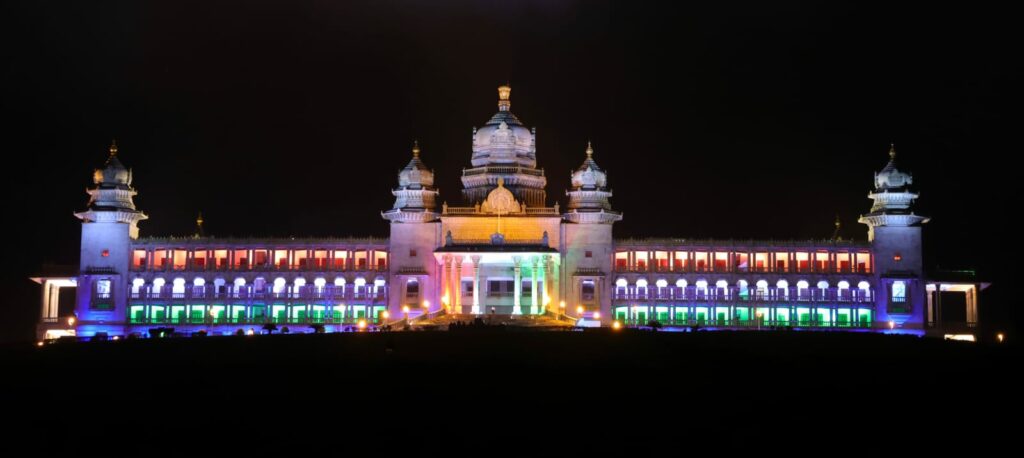
On October 11, 2012, then President of India Pranab Mukherjee inaugurated the Suvarna Vidhana Soudha in Belagavi. Built at a reported cost of more than ₹450 crore, the imposing complex was conceived as a symbol of Karnataka’s commitment to North Karnataka and a step towards decentralising governance.

Fourteen years later, the building remains an impressive landmark on the outskirts of Belagavi. Yet a fundamental question persists: has the Suvarna Vidhana Soudha fulfilled the purpose for which it was built?

The complex hosts the Karnataka Legislature’s winter session, accommodates some government departments and is used for meetings and official programmes. But its utilisation remains far short of what its size, cost and original vision would suggest.
The contrast is striking. A building that cost hundreds of crores of rupees to construct continues to attract fresh expenditure on maintenance, repairs and legislative sessions, while the larger promise of making Belagavi a more active centre of governance remains only partly realised.
A ₹450-crore building, used intensively for only a short period
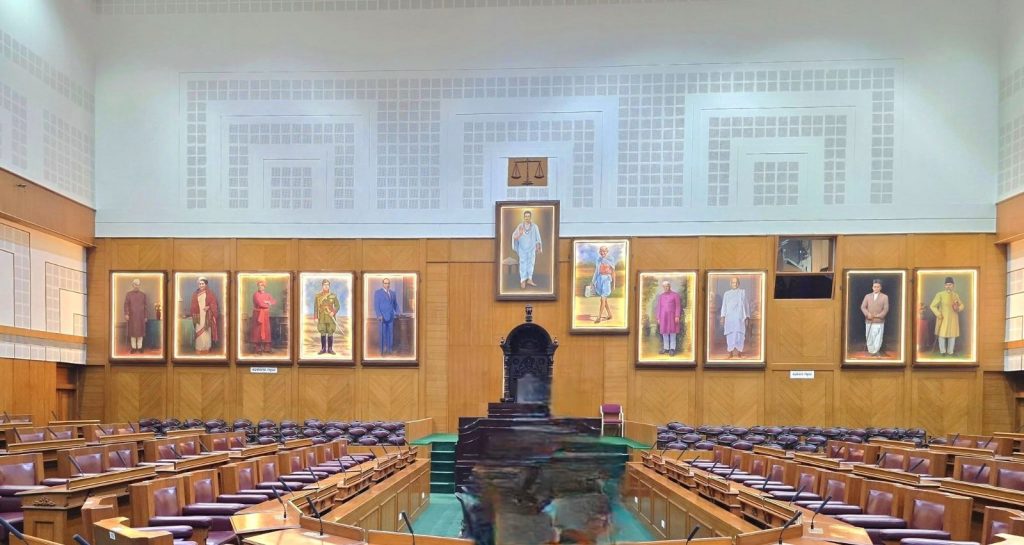
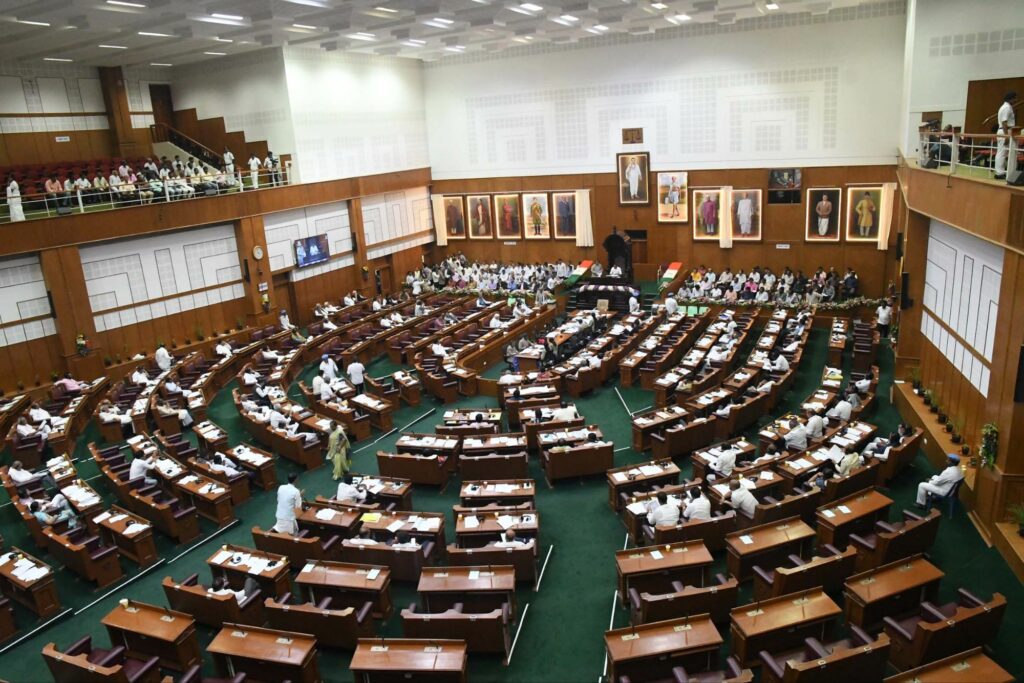
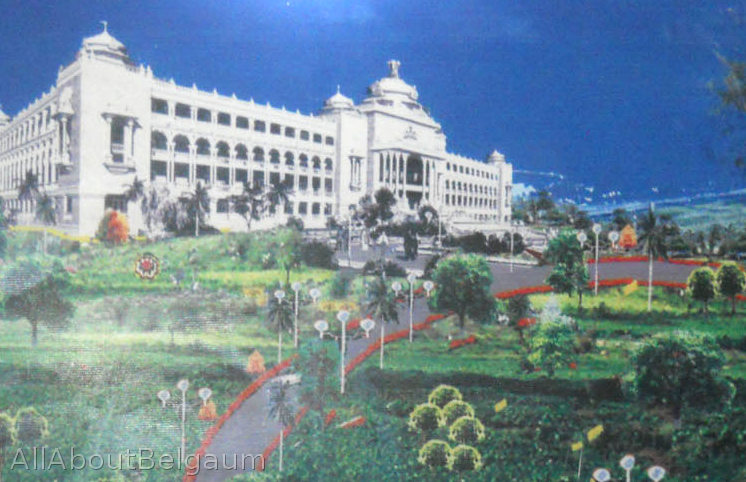
The Suvarna Vidhana Soudha was designed to accommodate the Legislative Assembly and Legislative Council, ministers’ chambers, committee and conference rooms, a central hall, an auditorium and offices for legislative administration.
The first session in the building was held from December 5 to 13, 2012.
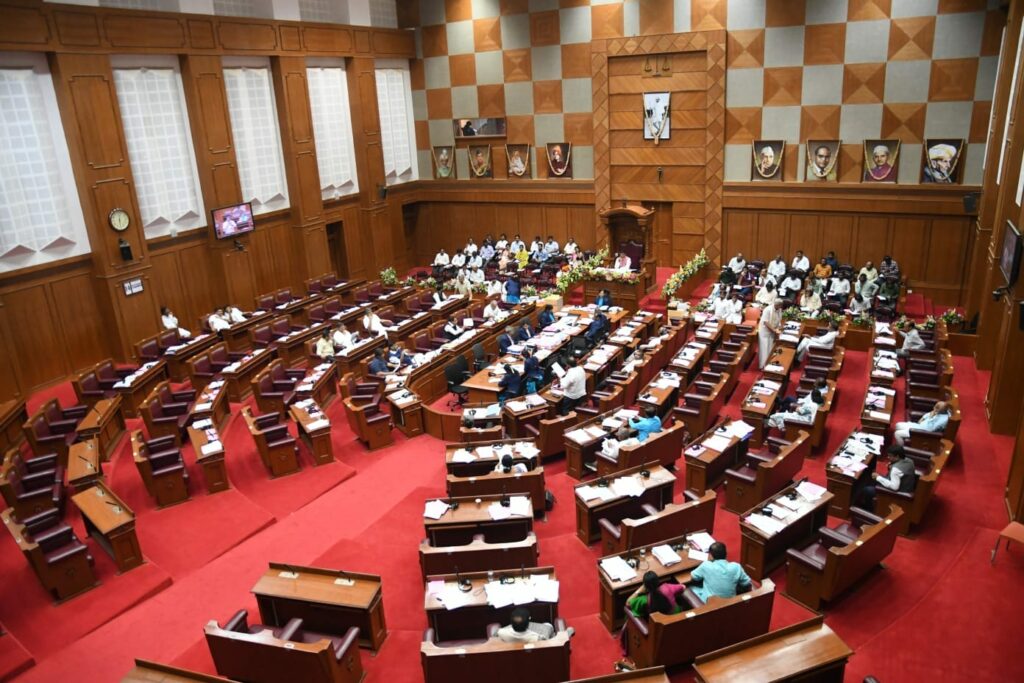
The winter session subsequently became its principal annual function. For roughly 10 to 12 days in a typical year, the complex becomes the centre of Karnataka’s legislative activity, with ministers, legislators, senior officials, police personnel and media representatives arriving in Belagavi.
For the remainder of the year, however, the building does not function at the level of a continuously active legislative and administrative centre.
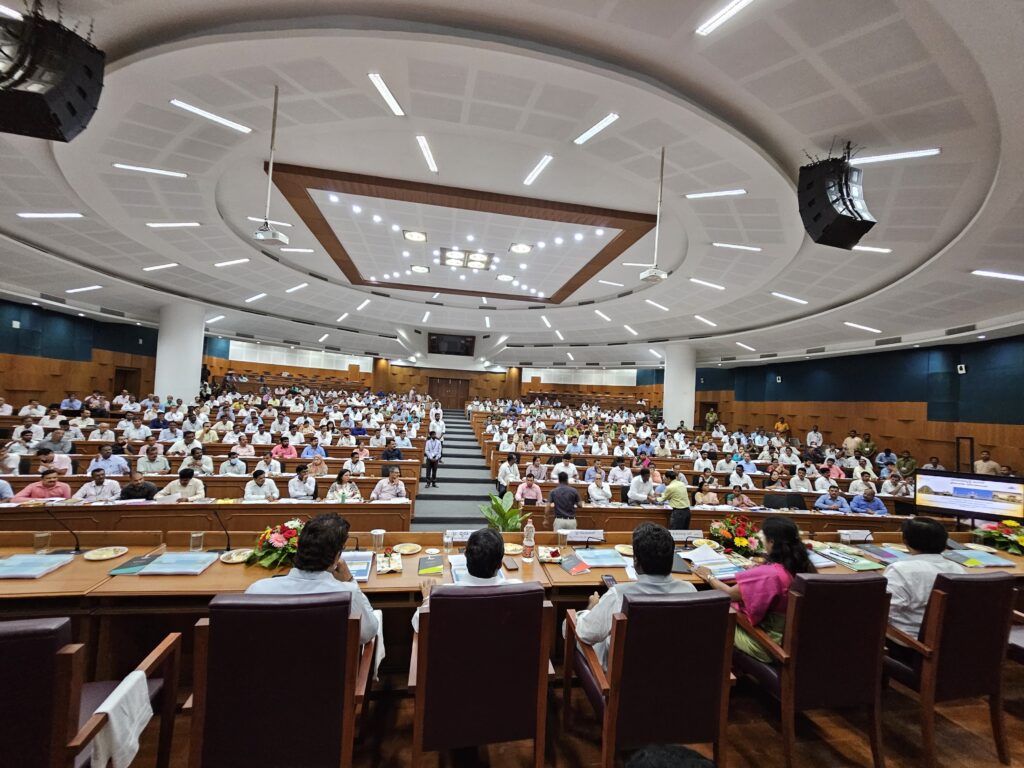
This is not to suggest that the premises remain entirely unused. Government departments operate from the complex, and official meetings, training programmes and other events are held there. But the scale of activity raises a legitimate question: is the government making adequate use of an asset of this magnitude?
₹250 crore estimated expenditure on conducting sessions since 2013
The cost of holding legislative sessions in Belagavi has grown into a substantial recurring public expenditure.
According to the year-wise figures compiled from published reports and information shared by RTI activists, the expenditure on conducting sessions between 2013 and 2025 is estimated at approximately ₹250 crore.
The estimate includes the expenditure figures available for 2013–2024 and the ₹21 crore budget estimate for the 2025 winter session. The actual expenditure for 2025 needs to be confirmed from official records.
This is separate from the reported ₹450 crore spent on constructing the Suvarna Vidhana Soudha and the additional expenditure incurred on its maintenance, repairs and utilities.
In other words, the public expenditure associated with the complex extends well beyond its original construction cost. Yet the principal legislative activity remains concentrated in a short winter-session period, while the larger objective of establishing a strong, year-round administrative centre for North Karnataka remains a work in progress.
The government should publish a consolidated, year-wise account of session expenditure, including the final audited figures for each year. This would help citizens distinguish actual expenditure from budget estimates and assess the public value generated by holding the sessions in Belagavi.
The cost does not end with construction
The original construction expenditure is only one part of the financial commitment.
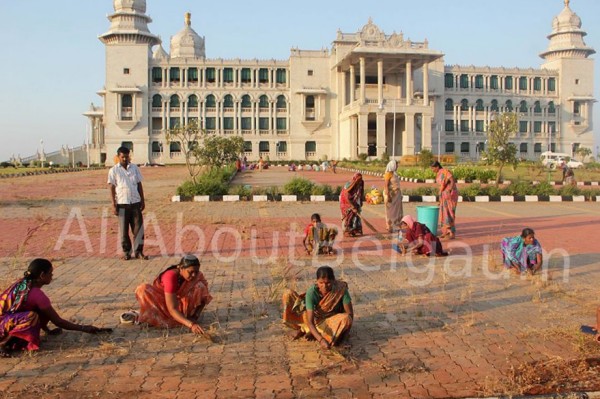
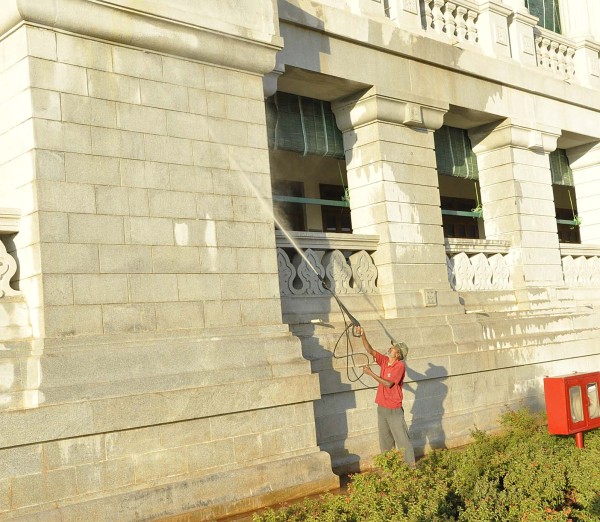
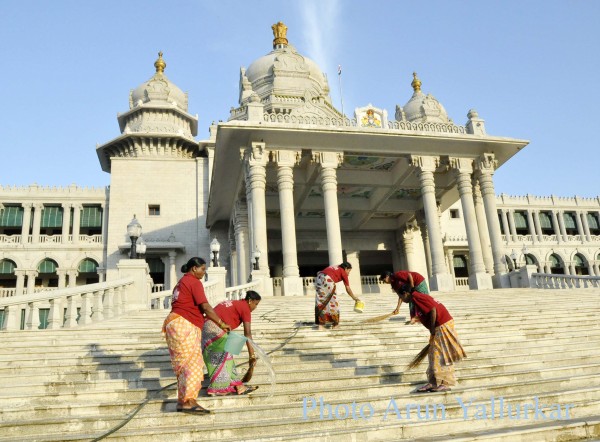
The state must also meet the cost of maintaining the building, operating its electrical and air-conditioning systems, undertaking repairs, maintaining security and preparing the premises for legislative sessions.
A 2015 report by The New Indian Express put annual maintenance expenditure at nearly ₹5 crore. Subsequent reports have cited annual upkeep costs of approximately ₹4 crore. These are historical reported estimates, not a verified cumulative expenditure statement for the entire 14-year period.
In 2021, a Public Works Department tender of approximately ₹1.99 crore for building maintenance and cleaning for the period August 2021 to July 2022.
The maintenance question became more pressing in November 2025, when it was reported that a ₹11-crore proposal for repairs and renovation had been submitted in 2023 and 2024 but had not received government approval.
The proposed works included repainting, replacing worn-out furniture, repairing toilets, improving drainage and internal roads, and addressing other infrastructure requirements.
The situation presents an uncomfortable contradiction: a building constructed at enormous public expense requires substantial refurbishment, yet funds for essential upkeep have reportedly faced delays.
Every winter session brings another large bill
The cost of conducting the Legislature’s winter session in Belagavi has also become a recurring point of public debate.
The expenditure covers much more than the operation of the building. It includes accommodation for ministers, legislators and officials; police deployment; transport; food; temporary structures; technical arrangements; and other administrative requirements.
According to reports based on information obtained under the Right to Information Act, the cumulative expenditure on conducting legislative sessions in Belagavi had crossed ₹170 crore by June 2026.
The expenditure on individual sessions has varied considerably.
In December 2024, ₹24.8 crore was reported as the cost of the 10-day winter session held in 2023. For the 2024 session, an RTI disclosure reported in January 2026 put the expenditure at ₹27.78 crore.
For the 2025 winter session, the district administration had estimated expenditure of ₹21 crore before the session. The final actual expenditure should be established separately before it is added to the cumulative total.
These figures illustrate the scale of the recurring commitment. They must, however, be distinguished from construction and maintenance costs to avoid double-counting expenditure across different categories.
The question is not whether the Legislature should meet in Belagavi. Holding sessions here has a clear regional and political significance. The question is whether the state is obtaining sufficient public value from the substantial expenditure incurred to conduct them.
Offices have moved in, but has governance followed?
The government has taken some steps towards utilising the complex beyond the annual winter session.
A report published by All About Belagavi in November 2025 stated that around 30 government departments operated from the premises. The building is also used for official meetings, training programmes and events.
These developments matter. They show that the complex is not entirely dormant during the rest of the year.
However, the presence of departments alone does not establish whether the building is functioning as an effective administrative centre for North Karnataka.
The more important questions concern the nature of these offices, the number of staff working there, the powers exercised locally, the services available to citizens and the extent to which residents can get their work done without travelling to Bengaluru or other district headquarters.
The original vision went beyond providing office space. It was to bring the administration closer to the people of North Karnataka and ensure that the region received greater attention in state-level decision-making.
That objective requires more than shifting a few offices into a large building. It requires a sustained administrative presence, regular decision-making and meaningful access for citizens.
Electricity dues and delayed repairs add to the questions
In September 2025, All About Belagavi reported that HESCOM had warned of possible electricity disconnection over unpaid bills. The outstanding arrears were reported to have reached ₹1.20 crore.
The episode raised questions about how a major state government building was being funded and maintained.
The building’s requirements do not disappear when the Legislature is not in session. Electrical systems, air conditioning, security, cleaning and other essential infrastructure need regular attention.
The reported electricity arrears, combined with the pending renovation proposal, point to the need for a more transparent and dependable system of maintenance funding.
A permanent maintenance plan was also discussed by legislative leaders in 2023. Such a plan would help establish predictable budgets, regular inspections and timely repairs rather than allowing essential work to accumulate until the next winter session approaches.
A missed opportunity for North Karnataka?
The Suvarna Vidhana Soudha was built at a time when demands for greater attention to North Karnataka were central to the political discussion.
Belagavi was chosen to host the Legislature’s winter session, and the construction of the complex was intended to reinforce the region’s place within Karnataka’s administrative and political framework.
That symbolism continues to matter. The annual session brings senior political leaders and officials to Belagavi and creates business for hotels, restaurants, transport operators and other local establishments.
But the long-term development case for the building depends on what happens during the other 350-plus days of the year.
Can more state-level departments function from Belagavi? Can regional offices be strengthened so that citizens and businesses can access services locally? Can cabinet meetings, departmental reviews and policy consultations be held here regularly? Can the complex become a genuine centre for resolving issues affecting North Karnataka?
These are practical questions that deserve answers, rather than a debate limited to the annual cost of the winter session.
Such information would allow the public to assess the building’s performance against its stated objectives.
Fourteen years on, the real test remains
The Suvarna Vidhana Soudha is an important landmark in Belagavi and a symbol of North Karnataka’s aspirations. Its value, however, cannot be measured by its architecture or by the number of days the Legislature meets within its walls.
It must also be measured by how effectively it serves the public.
Fourteen years after its inauguration, the question is no longer whether Belagavi needed a grand legislative complex. It is whether the state has done enough to turn that investment into a continuously functioning centre of governance.
The building has been constructed. The sessions have been held. Departments have moved in. Public money continues to be spent.
The unfinished task is to ensure that Suvarna Vidhana Soudha becomes more than an annual seat of legislative activity — that it delivers the year-round administrative presence and public benefit originally promised to North Karnataka.