



With the city expanding rapidly and development spreading into surrounding villages, a proposal to develop mini-townships around Belagavi has brought the focus back on the need for planned urban growth and improved civic infrastructure.
The proposal envisages developing mini-townships on 100 to 150 acres of land within a 10-km radius of the city. The initiative is intended to promote organised development in the villages surrounding Belagavi and provide better access to essential amenities.
However, the specific land requirement, locations and implementation status of the proposed mini-townships require official confirmation.

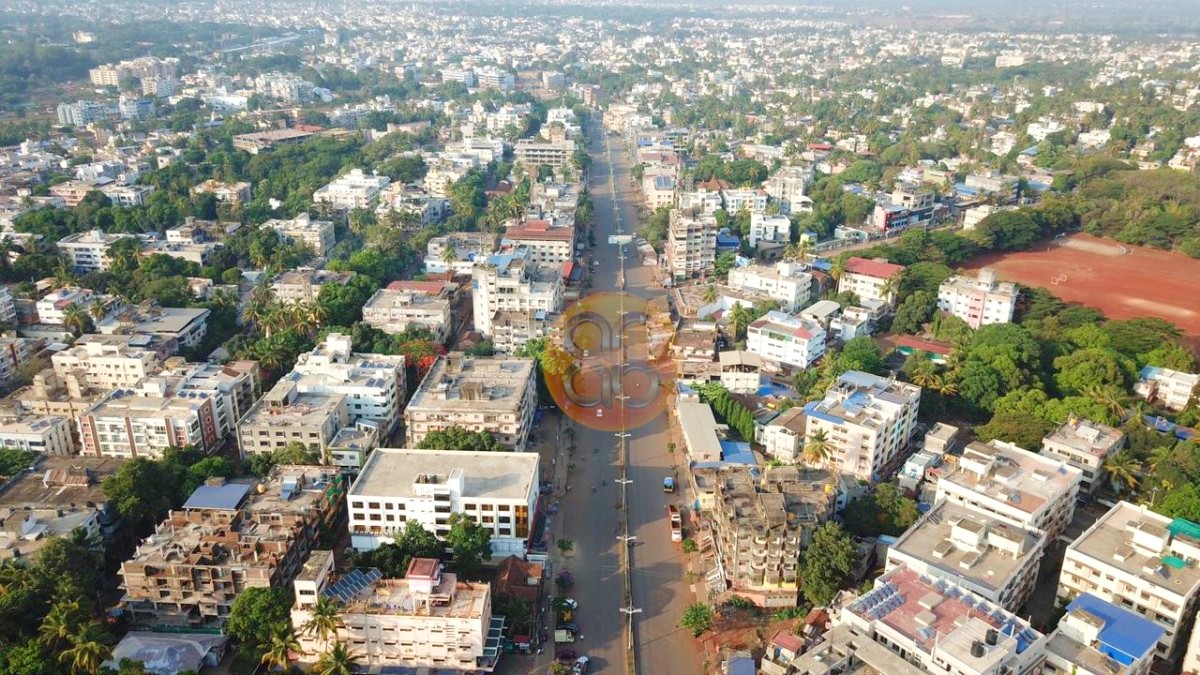
Focus on villages surrounding Belagavi
Belagavi’s connectivity with Maharashtra and Goa, along with its industrial, commercial and educational institutions, has contributed to increasing demand for housing and civic infrastructure.
As the city expands beyond its existing limits, surrounding villages are witnessing growth in residential layouts, commercial establishments and other developments. This has increased the need for coordinated planning of roads, drainage, water supply and public amenities.
Around 50 villages in the Belagavi taluk were brought under the urban planning framework in the expansion of the Belagavi Urban Development Authority’s jurisdiction. Reports have subsequently referred to 58 villages within BUDA’s planning area.
The new master plan being prepared for Belagavi and its surrounding villages is expected to provide a broader framework for regulating land use and guiding future development.
Healthcare, transport, education and commerce
The proposed mini-townships are envisaged as planned urban centres that could accommodate residential and commercial development while supporting essential infrastructure.
The key areas of focus include:
- Healthcare: Improved access to healthcare facilities.
- Transport and connectivity: Better road networks and transport infrastructure.
- Trade and commerce: Space for commercial activity and employment opportunities.
- Education: Improved access to educational institutions and related facilities.
Planned development could also generate additional revenue through property-related taxes and other civic levies, depending on the final administrative and implementation framework.
Key details await clarity
The proposed mini-township concept raises several questions concerning the identification and acquisition of land, funding, infrastructure provision, implementation timelines and the authorities responsible for execution.
The proposal’s precise status also needs clarification, including whether specific locations have been identified and whether the 100–150-acre requirement applies to each township or to the overall development.
Until these details are confirmed through an official announcement or government document, the proposal should be viewed as a plan under consideration rather than an approved project.
As Belagavi continues to expand, the challenge will be to ensure that development in the surrounding villages is supported by adequate infrastructure and follows a coordinated long-term plan.