




The ambitious flyover project planned to address the city’s rapidly increasing traffic congestion is now moving steadily towards execution, with the tender process for the first phase nearing completion.
Deputy Commissioner Mohammed Roshan confirmed that the State Government has already sanctioned ₹270 crore for the first phase of the project and that the tendering process is currently in its final stages. He added that construction work will begin immediately after the tender formalities are completed. In a major boost to the project, an additional ₹245 crore has also been sanctioned for the second phase.
Ground Activity Intensifies
As preparations gather pace, trees along both sides of the road stretch between Samrat Ashok Circle and Kittur Rani Chennamma Circle near Killa Lake have been numbered and mapped. This exercise, carried out as part of the project preparation process, is considered an important step before road widening, utility shifting, and actual civil work begins.

In recent weeks, road surface markings and pillar alignment indicators had also appeared along sections between Sankam Hotel and the Central Bus Stand, indicating that technical groundwork for the flyover alignment is actively underway.
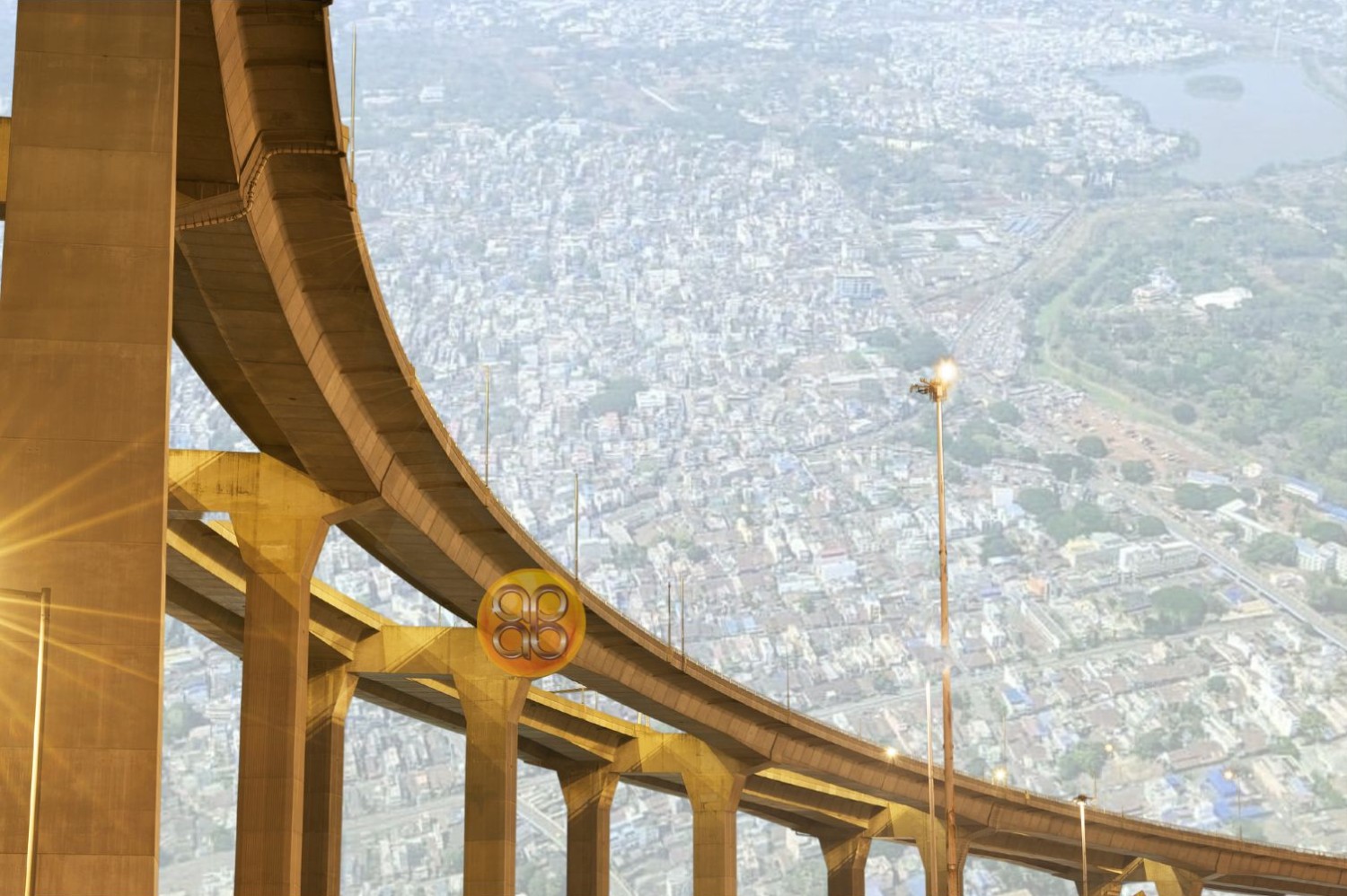
Proposed Flyover Network
According to the approved project blueprint, the flyover network will begin from Sankam Hotel in Gandhinagar on NH-48 and extend towards several key junctions across the city.
The planned alignment includes:
- Sankam Hotel to Ashok Circle and onwards to the Central Bus Stand
- A connecting elevated link from Ashok Circle to NH-48 via Mahantesh Nagar
- Extension from Ashok Circle through Sangolli Rayanna Circle (RTO) up to the Police Commissioner’s Office
- Further extension from RTO Circle via Kittur Rani Chennamma Circle to Dharmaveer Sambhaji Maharaj Circle
- Another arm extending from Chennamma Circle towards BIMS Hospital and Club Road
The project will include a mix of four-lane, three-lane, and two-lane elevated sections depending on traffic requirements and corridor width.
Massive Infrastructure Scale
As per the current design:
- A 6,678-metre elevated stretch will be constructed by the Public Works Department using 167 pillars
- An additional 1,112-metre section will be developed by the National Highways Authority of India (NHAI) on 22 pillars
The District Administration had earlier approved the flyover alignment and design map, clearing the way for technical execution.
Timeline and Expectations
Officials indicate that once the tender process concludes, preliminary construction activities including barricading, utility shifting, and site preparation could begin quickly.
Given the scale and multi-corridor nature of the project, the flyover is expected to be executed in phases over the next few years. While political announcements earlier suggested a shorter completion window, infrastructure experts estimate that full completion could realistically take around 3 to 4 years after commencement.
A Defining Urban Infrastructure Push
The flyover project, strongly backed by District In-charge and PWD Minister Satish Jarkiholi, is being seen as one of the biggest urban mobility upgrades planned for Belagavi in recent decades.
Once completed, the project is expected to dramatically ease congestion at major junctions, improve connectivity across the city, and reshape traffic movement along Belagavi’s busiest corridors.
Hope phase 1 will in operation by 2035.
Ksrtc hv to start mini bus facility to all villages n to adjescent places thru different routes to avoid waste of time, trouble, disturbances to people as well to d work thar will commence till completion.
What about the traffic issues from shani temple to railway station….