




Following directions from the Supreme Court and the completion of forest land surveys in the district, the administration will now focus on villages located around the Bhimgad Wildlife Sanctuary, with stricter rules coming into force for development activities within the Eco-Sensitive Zone (ESZ).
Addressing a press conference in Belagavi, District Collector Mohammed Roshan said that special permission will now be mandatory for any development work, commercial activity or construction project in villages falling under the ESZ surrounding the sanctuary.
To oversee approvals, a dedicated committee has been formed under the chairmanship of the Regional Commissioner. Every proposal will be examined individually based on the survey number before permissions are granted, the DC said.
Several villages, including Chikhale, Gavase, Chapoli, Amgaon, Gavali, Pastoli, Kabnali, Kangla, Nersa and Shiroli, have been included within the notified Eco-Sensitive Zone.
Officials clarified that no new construction, commercial project or even minor development work can be undertaken in these areas without prior approval from the committee.
On the rehabilitation front, the administration stated that 25 families from Talewadi have already been rehabilitated, while another 20 families have voluntarily agreed to relocation. Around 80 to 90 families from Amgaon have sought alternative land for rehabilitation, and discussions with forest officials are underway. The administration expects a resolution within the next two to three months.
The District Collector also acknowledged concerns related to caste certificates faced by residents in the region and said a special meeting would be convened to address the issue.
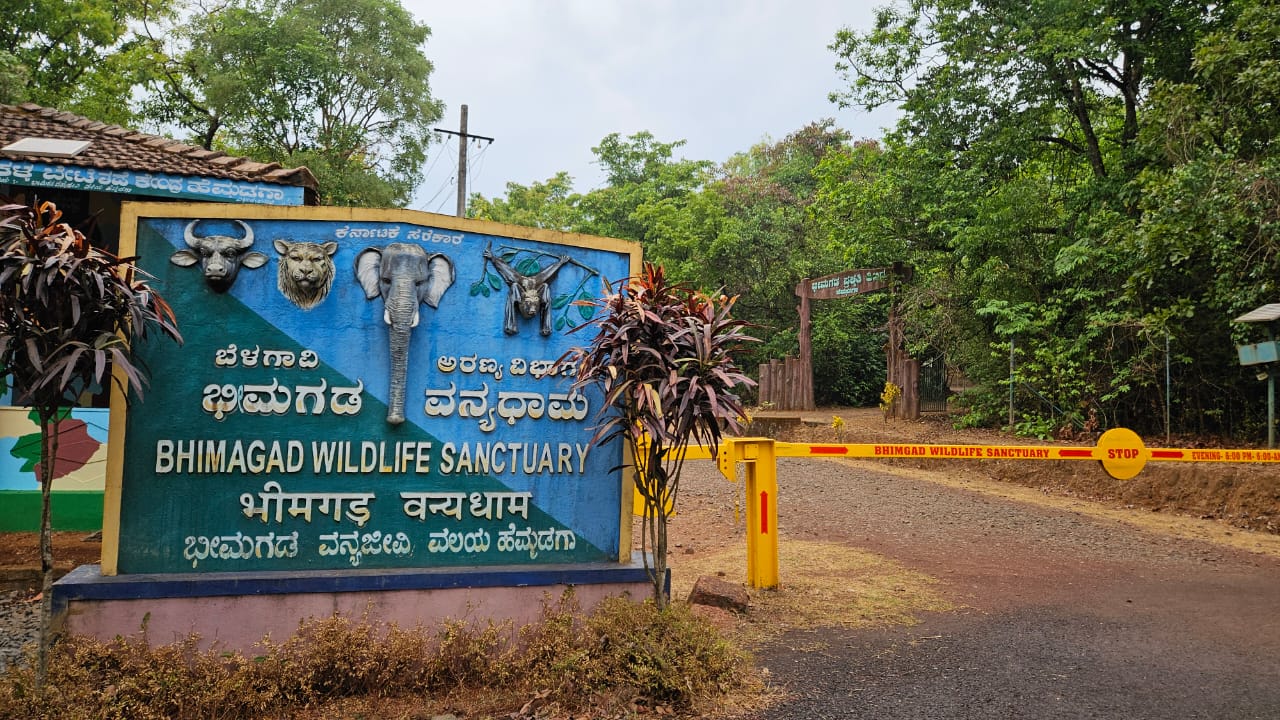
Concerns Grow Among Villagers Over Restrictions
While the move is being viewed as important for environmental and wildlife conservation, it has also triggered concern among residents of forest villages.
Locals fear that the requirement for multiple approvals could slow down or restrict everyday activities ranging from house construction and small businesses to agriculture-related projects and road works. Residents argue that tribal and forest-dwelling communities have lived in harmony with the forests for generations and have played a key role in protecting natural resources.
There is also growing demand for greater participation of Gram Sabhas and local communities in decisions related to the Eco-Sensitive Zone. Villagers say policies affecting their future should not be decided solely at the administrative level without wider consultations.
Questions are also being raised over the rehabilitation process, with some residents alleging that administrative pressure is being exerted on families to relocate.
Many families in the region continue to depend on agriculture, animal husbandry, forest-based livelihoods and small-scale activities for survival. Residents fear that excessive restrictions on development could affect both livelihoods and long-term economic stability.
While officials maintain that conservation remains the priority, local communities insist that any long-term policy must strike a balance between environmental protection and the rights, traditions and livelihoods of people who have lived around the forests for generations.