



Belagavi-origin entrepreneur and innovator Akash Kulgod, founder of Dognosis, has announced a major global breakthrough in cancer detection, with his team publishing a landmark research paper in the Journal of Clinical Oncology (JCO)—widely regarded as the world’s leading journal in oncology.
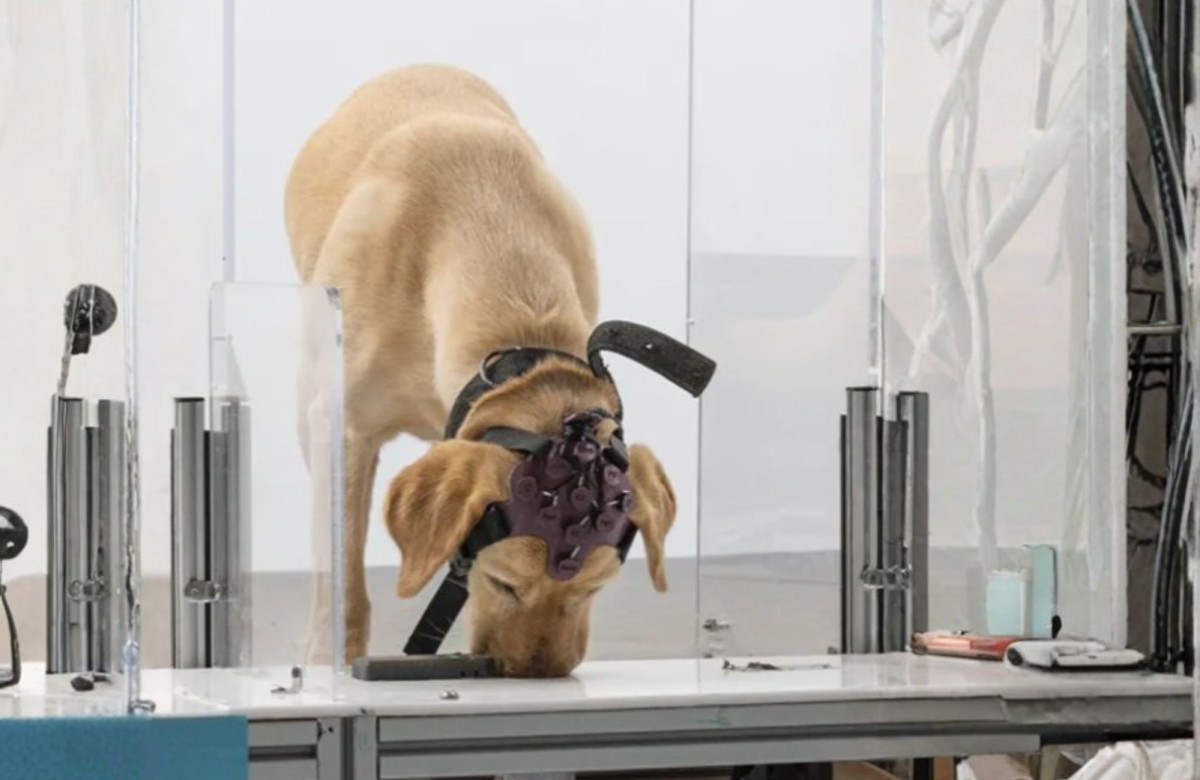
The study, titled “Canine Olfaction Combined With Bayesian Modeling for Multicancer Detection From Breath Samples”, presents a novel approach that uses trained dogs along with advanced statistical modeling to detect multiple cancers from human breath samples.
High Accuracy in Multicancer Detection
The multicentre Phase II study, conducted across six hospitals in Karnataka, involved 3,275 participants, making it the largest study of its kind. The results demonstrated over 90% sensitivity and specificity, with an AUC of 0.962—indicating high diagnostic accuracy.
Notably, the system showed consistent performance even in early-stage cancers, a critical factor in improving survival rates. The research combines canine scent detection—long known for its ability to identify cancer-related volatile organic compounds—with a Bayesian fusion model to enhance reliability and scalability.
From Idea to Global Recognition
Sharing the milestone on LinkedIn, Kulgod reflected on the journey: what began nearly five years ago as an idea has now translated into a globally recognized scientific contribution. He credited an “incredible interspecies team” and a wide network of collaborators, including global leaders like Medical Detection Dogs, for making the study possible.
For decades, trained dogs have demonstrated remarkable ability to detect cancers, often outperforming conventional methods in controlled settings. However, the challenge has been translating this ability into scalable, clinically usable systems—something this study attempts to address through engineering and data science integration.
Relevance for India and Beyond
The research holds particular significance for countries like India, where cancer screening coverage remains low. A non-invasive, low-cost triage tool such as breath-based detection could help identify high-risk individuals earlier and reduce pressure on healthcare systems.
The study’s findings establish strong analytical validity and pave the way for larger, real-world screening trials.
Next Step: Belagavi Trials
In a development that puts Belagavi on the global research map, Kulgod revealed that a prospective, multicentre clinical trial will soon be initiated in the city, in collaboration with Lakeview Hospital and KLE institutions.
This upcoming trial is expected to evaluate the technology in real-world screening conditions, moving closer to potential deployment in public health systems.
With this publication in JCO—a journal that oncologists worldwide rely on to guide clinical practice—Kulgod and his team have positioned Belagavi as an emerging contributor to cutting-edge medical innovation.

Akash Kulgod is on a rare and potentially extraordinarily beneficial path for patients.
Man’s best friend is truly that. Wish him and all his team the very best .