




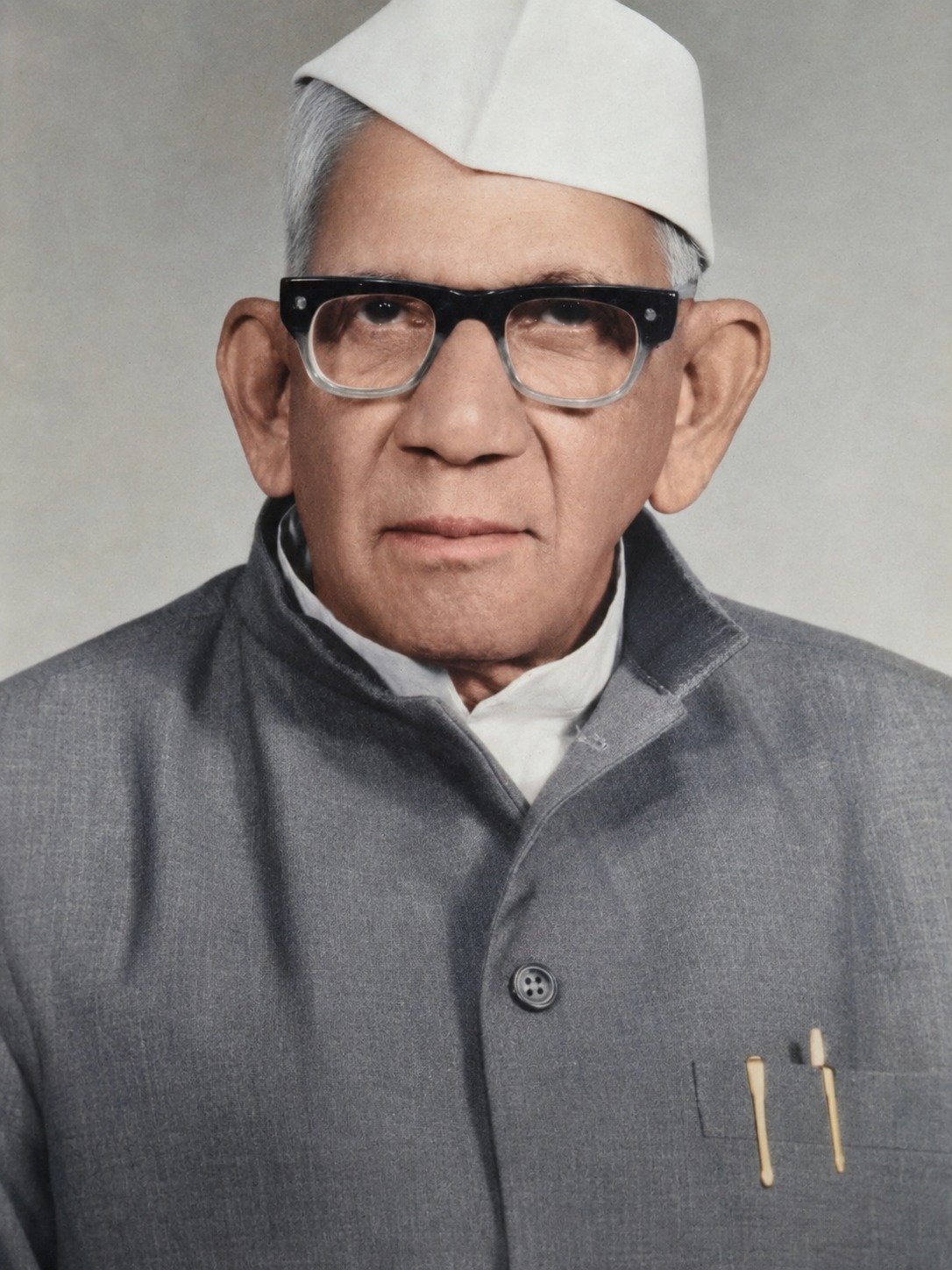
Pt. R N Joshibuva (1917 – 1997) was among the most popular singers of Belgaum. His sweet voice, exact tone and presentation with a smiling face were an attraction for the listeners. Our generation is fortunate to have his music to listen to, and his graceful personality on the stage made all happy. A true follower of Kirana Gharana, Joshibuva developed a disciplined way of arranging a Khyal which systematically grew with intricate beauty. The ‘Badhat’ of the Raga chosen was crisp and measured. It rarely changed its path, and a seasoned listener knew the next approach and an expected beauty spot in his singing.
Pachhapurkarbuva, as he was popularly known, had a strong background of ‘Vedic’ tradition. He studied Ayurveda as a passion and Ragadaari Sangeet for his soul. Those were the days of freedom struggle, and the great national leaders were his role models. His senior family members took part in the freedom movement, and naturally Joshibuva followed their footsteps. His schooling also commenced in an institute with a national curriculum. He took part enthusiastically in the morning parades held by the Congress and sang national songs in the meetings attended by Maulana Shaukat Ali, Mahatma Gandhi and Madan Mohan Malaviya. In his youth, he came into contact with patriots like Annu Guruji, Vamanrao Bidri, Dr Joshi and that made him a person with good character, attached with a social attitude. His brother Gopalrao was put in jail by the British, and that incident made him a staunch patriot, and he too was put in jail later.
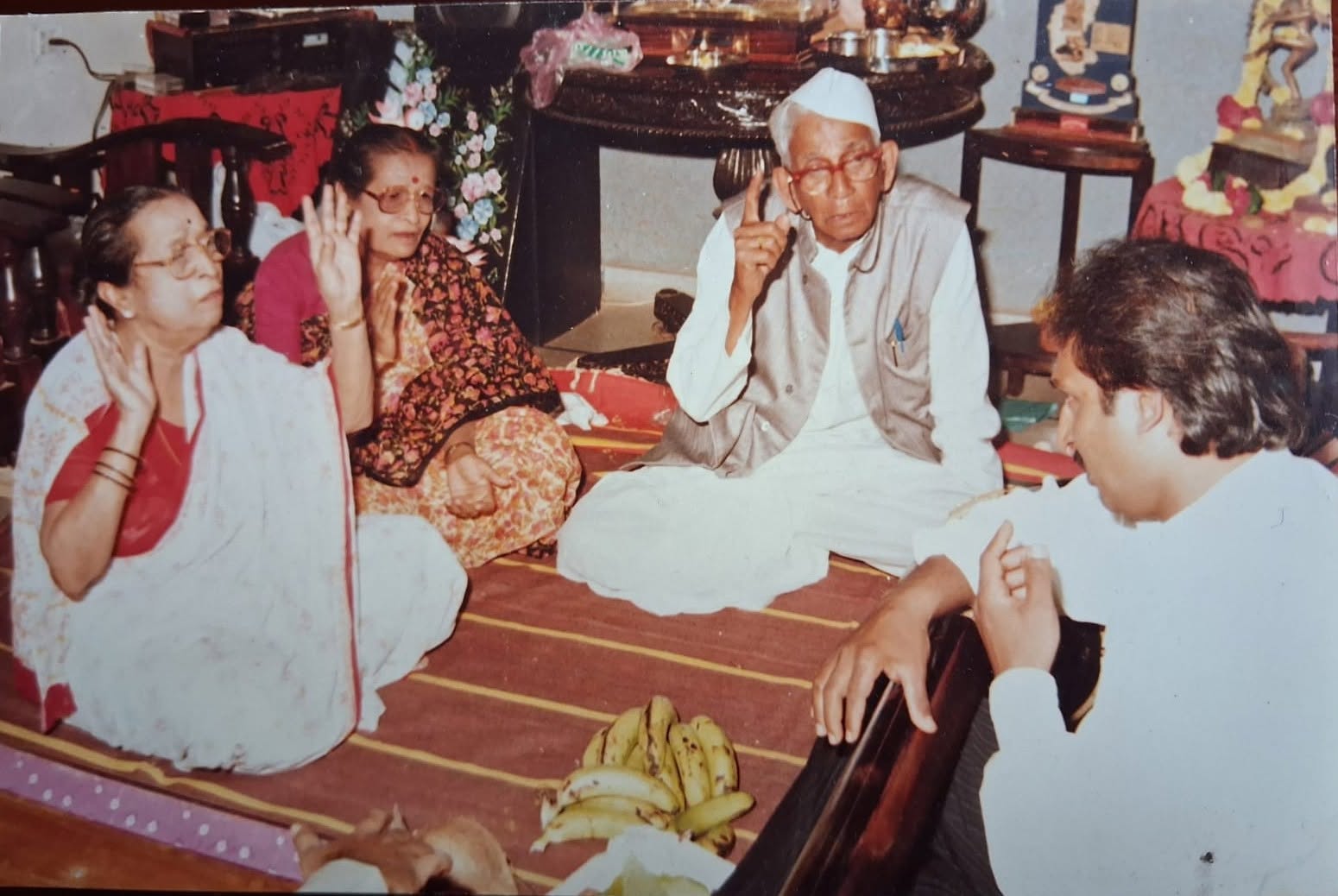
R N Joshi took his singing lessons from his brother in the beginning. Soon he concentrated on learning further from Ramkrishnabuva Shirodkar and from the great Pt. V A Kagalkarbuva. Meanwhile, he completed his education and earned the degree of ‘Ayurvedabhishak’.
Pachhapurkarbuva’s first AIR programme was broadcast from Mumbai. Soon he passed the examination of ‘Sangeet Alankar’ from ABGMV Mandal. He gained popularity as a Kirana Gharana performer and toured in Mumbai, Pune, Bangalore, Mysore, etc. He worked as an examiner of KSSEE Board and also of ABGMV Mandal. He joined Teacher’s Training College as a Music Teacher.
His music class in Math Galli was always occupied by enthusiastic learners. Dr Ashok Sathe, Anant Terdal (presently Bharatratna Pt. Bhimsen Joshi’s Shishya), Sudha Divekar, Prof. Shambhu Bhat, Azambai Hukkeri, Sardarbai, Prabhakar Shahapurkar, Shripati Manjanbailu, M S Kamat, Gururaj Mirajkar, N D Joshi are among his celebrated students. Pt. Narayarao Chikodi and Ustad Appasaheb Vantamuri were his usual Tabla accompanists. A video recording is available which shows Dr. Ashok Sathe singing a Khyal, Joshibuva, in teaching mood and Narayanrao accompanies.
I met him in this hermitage many times. Relishing ‘Kande Pohe’ and ‘Puri Bhaji’ with him in Hotel Anand Bhuvan was something unforgettable. Evening Pooja on every Thursday with ‘Churmure’ and ‘Pedha’ is an unfaded memory for his students like Prabhakar Shahapurkar and Sainath Mohite.
Pt. R N Joshibuva was a member of Karnataka Sangeet Nrutya Academy from 1981 to 1984. His classical programmes broadcast from AIR Dharwad were well received by the music lovers. Buva was also known for the rendition of Geet Ramayan in Kannada. Karnataka State awarded him the prestigious Title of Karnataka Kala Tilak.
Pt. R N Joshibuva was one of the founder members of Sangeet Kalakaar Sangh. He was the secretary when the Sangh was founded in 1956. Whether a committee member or not, he was always active in the musical events of the Sangh. His involvement in the annual music competitions of Art’s Circle and periodic programmes was praiseworthy. The Guru-Shishya Parampara in Belagavi continues; the seeds sown by Pt. Joshibuva have now grown into a fruitful tree of music.
About the author:
Pt. Nandan G. Herlekar is a renowned Hindustani classical vocalist, music educator and author from Belagavi. A lifelong student and teacher of Indian classical music, he has dedicated himself to documenting the city’s rich musical heritage. This series chronicles the lives and contributions of Belagavi’s musicians, preserving an important chapter of the region’s cultural history.