



More than a century ago, eminent engineer Dr M. Visvesvaraya, who designed the Rakaskop Water Supply Scheme, observed in the preamble to his report that “Belgaum water supply can be maintained by a chain of wells.” His vision underscored the importance of preserving traditional groundwater sources as a safeguard against future water shortages.
Ironically, at a time when Belagavi continues to grapple with recurring summer water scarcity, one such restored well has been permanently closed.
The well at the corner of Sheri Galli, which was rejuvenated in March 2013 at a cost of several lakhs of rupees, has now been filled in. A mini RO (Reverse Osmosis) water purification plant installed at the site also remained unused throughout its existence, turning the investment into a futile expenditure.

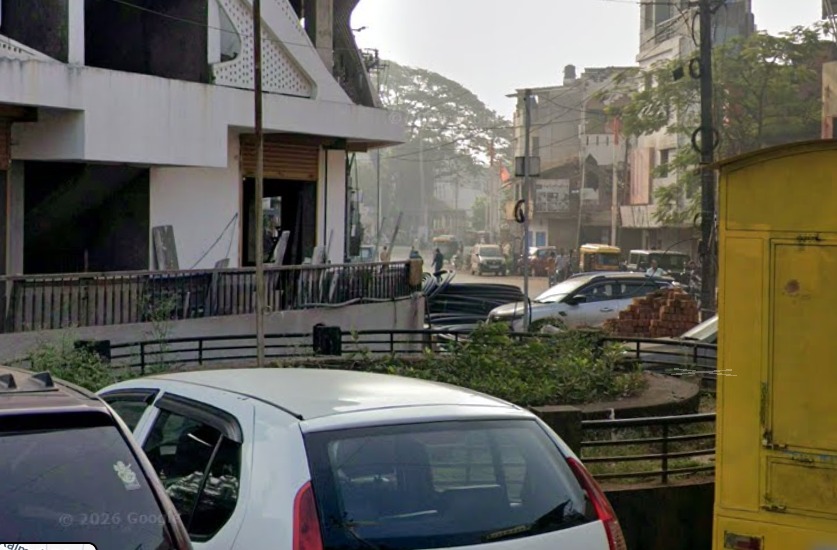
The well restoration was part of a broader initiative aimed at creating alternative water sources for the city. Along with the Sheri Galli well, the historic ‘Bara Gadgadya’ well at Hutatma Chowk and the well inside the Ganpat Galli school premises were revived using public funds. The objective was to restore these traditional water sources and strengthen the city’s resilience during periods of water scarcity.
However, shortly after the Sheri Galli well was restored, tests revealed that its water was contaminated. Investigations indicated that sewage was seeping into the well, rendering the water unfit for drinking or any domestic use. Although the Belagavi City Corporation made efforts to identify the exact source of the contamination, the leakage could never be traced or rectified.
Despite being aware of the contamination, a mini RO plant was installed at the site. Since the water remained unsuitable for treatment and distribution, the plant was never commissioned for public use and remained idle until the well itself was eventually sealed.
The closure of the Sheri Galli well raises serious questions about the planning and execution of the restoration project. At a time when the city is once again searching for sustainable solutions to its annual water crisis, the abandonment of a project intended to revive traditional water sources stands as a reminder of how public investments can be rendered ineffective without proper planning, monitoring and protection from sewage contamination.