




The Belagavi Municipal Corporation is preparing to establish two permanent stray dog sterilisation centres within the city, with one proposed in the southern division and another in the northern division. The move is aimed at increasing the pace of sterilisation and addressing the growing stray dog population in the city.
The Corporation has identified two sites for the proposed centres, but their exact locations have not been disclosed, reportedly due to concerns over possible opposition from residents. Construction is expected to begin soon, although the Health Department is yet to officially announce a timeline.
The need for stronger action has become more pressing as stray dog attacks have increased in Belagavi in recent months, with dog-bite incidents being reported from several parts of the city. The growing number of complaints has renewed concerns over the effectiveness and consistency of the existing sterilisation programme.

According to the Municipal Corporation, Belagavi has an estimated stray dog population of around 20,000. Although the sterilisation programme has been in operation since 2007, officials acknowledge that the campaign has not been carried out consistently. As a result, the stray dog population has continued to increase, while a large number of dogs remain outside the sterilisation programme.
At present, around eight to ten stray dogs are sterilised every day. The Corporation now plans to increase the capacity to more than 20 surgeries a day once the two permanent centres become operational. A new contractor is also expected to be appointed to undertake the sterilisation work.
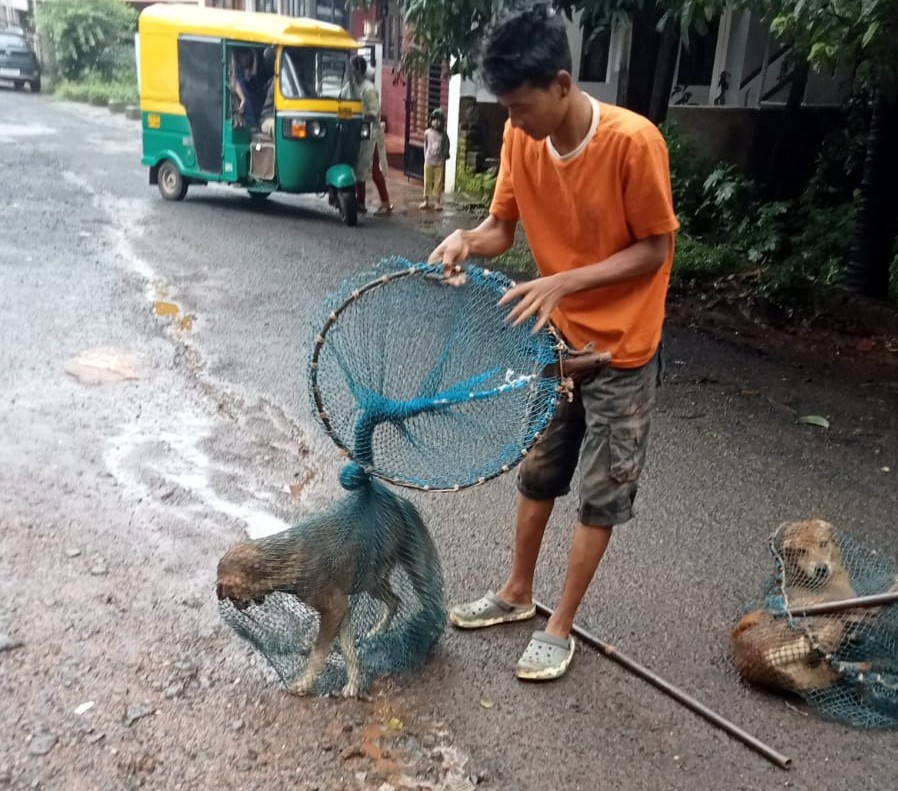
Funds have already been earmarked for the proposed facilities. During the previous financial year, ₹2 lakh was allocated from the fund of each corporator for the establishment of sterilisation centres.
Earlier, the Corporation had planned a sterilisation centre at Hirebagewadi. However, the proposal faced opposition and the facility was eventually operated from a temporary shed. The Hirebagewadi centre was later shut down following opposition, including from local corporator and outgoing Health Standing Committee chairperson Lakshmi Rathod.
With the earlier arrangement proving inadequate, the Corporation is now looking at permanent and better-equipped facilities within the city. The move also assumes greater importance in view of the Supreme Court’s directions concerning the management and sterilisation of stray dogs.
While the Corporation has said that the two sites have been finalised and funds are available, the actual construction schedule and operational timeline remain unclear.
The establishment of the two centres is expected to provide the Corporation with greater capacity to carry out sterilisation on a sustained basis. However, officials will also have to ensure that the programme is implemented consistently and at the required scale if the city is to see a meaningful reduction in the stray dog population and related dog-bite incidents.