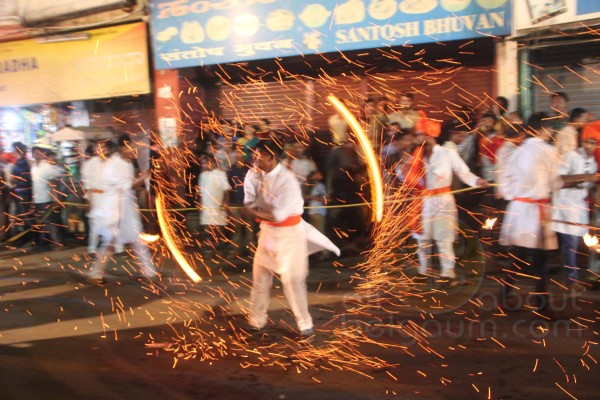



A remarkable piece of history, buried in the pages of a 19th-century newspaper, has brought renewed attention to Belagavi’s deep-rooted cultural legacy. A letter published in the May 19, 1895 issue of Dinbandhu offers compelling evidence that the public celebration of Shivjayanti in Belagavi dates back at least 135 years. (Source: Sakal Daily)
The letter, dispatched from Belagavi on May 4, 1895, vividly describes the celebration of the birth anniversary of Chhatrapati Shivaji Maharaj held on April 26, 1895. What makes this account historically significant is a subtle yet powerful detail—it mentions that the festival was then in its fifth year. This places the inception of Shivjayanti celebrations in Belagavi around 1890, firmly establishing the city as one of the early adopters of this public cultural observance.
A Festival Beyond Rituals
The 1890s celebrations were centered around the Kapilnath Temple and drew gatherings of 300 to 400 people—no small number for that era. But these were not merely ritualistic events. The letter paints a picture of a vibrant, community-driven festival that blended devotion with social engagement.

The activities included:
- Decorative illumination of the temple
- Essay recitations on Shivaji Maharaj’s life
- Patriotic songs and performances
- Wrestling competitions (a nod to traditional physical culture)
- Felicitation of winners
- Distribution of gulal, flowers, paan-supari, and attar
This combination underscores that Shivjayanti in Belagavi was as much a socio-cultural movement as it was a commemorative event.
Preceding a National Movement
Historically, the concept of a public Shivjayanti celebration is attributed to Mahatma Jotirao Phule, who initiated it in 1870 as a means of social awakening. Later, Bal Gangadhar Tilak expanded its scale, transforming it into a powerful tool for mass mobilization during the freedom movement.
However, the Belagavi evidence is particularly striking—it indicates that organized public celebrations were already underway here before Tilak’s wider popularization. This positions Belagavi not just as a participant, but as an early torchbearer of this cultural assertion.
From Then to Now: A Living, Growing Tradition
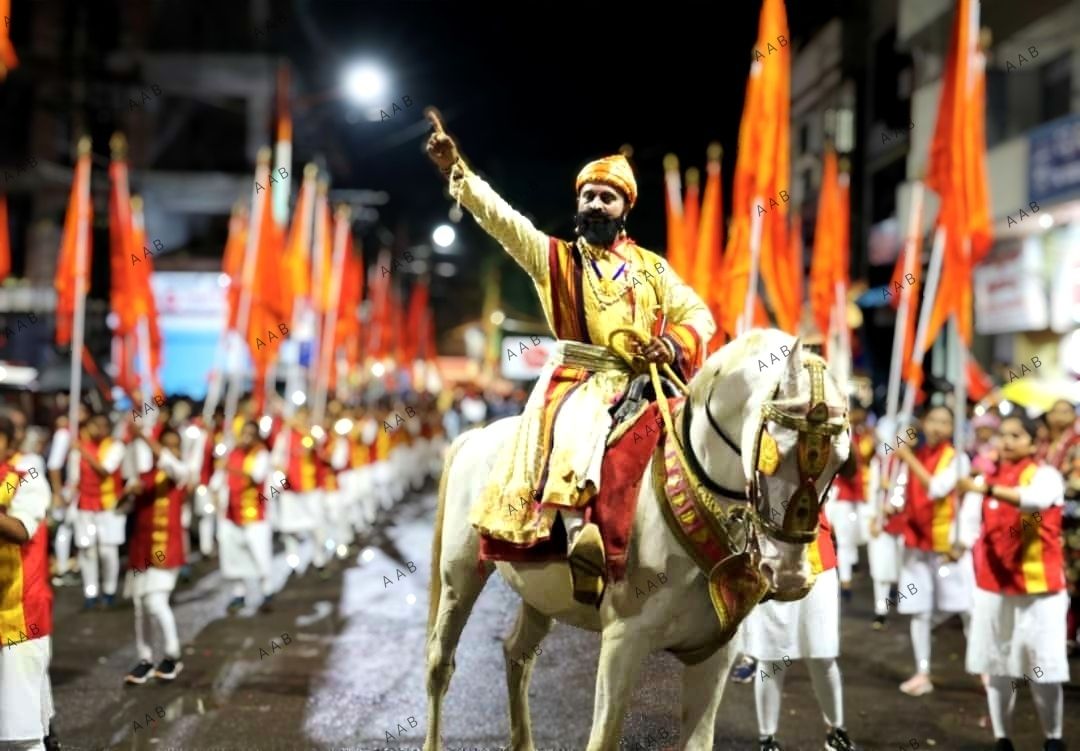
Fast forward to today, and the essence of Shivjayanti in Belagavi remains intact—only magnified. Celebrated across April and May, the festival has evolved into a grand civic and cultural spectacle.
Modern-day observances include:
- Massive processions across the city
- Lecture series and historical discourses
- Cultural performances and youth participation
- Social initiatives and community outreach programs
What began as a modest gathering at a temple has now transformed into a city-wide celebration involving thousands, cutting across communities and generations.
A Tradition That Refuses to Fade
Belagavi’s Shivjayanti is not just an annual event—it is a living continuum of history, identity, and collective pride. For over a century, it has adapted to changing times while preserving its core spirit.
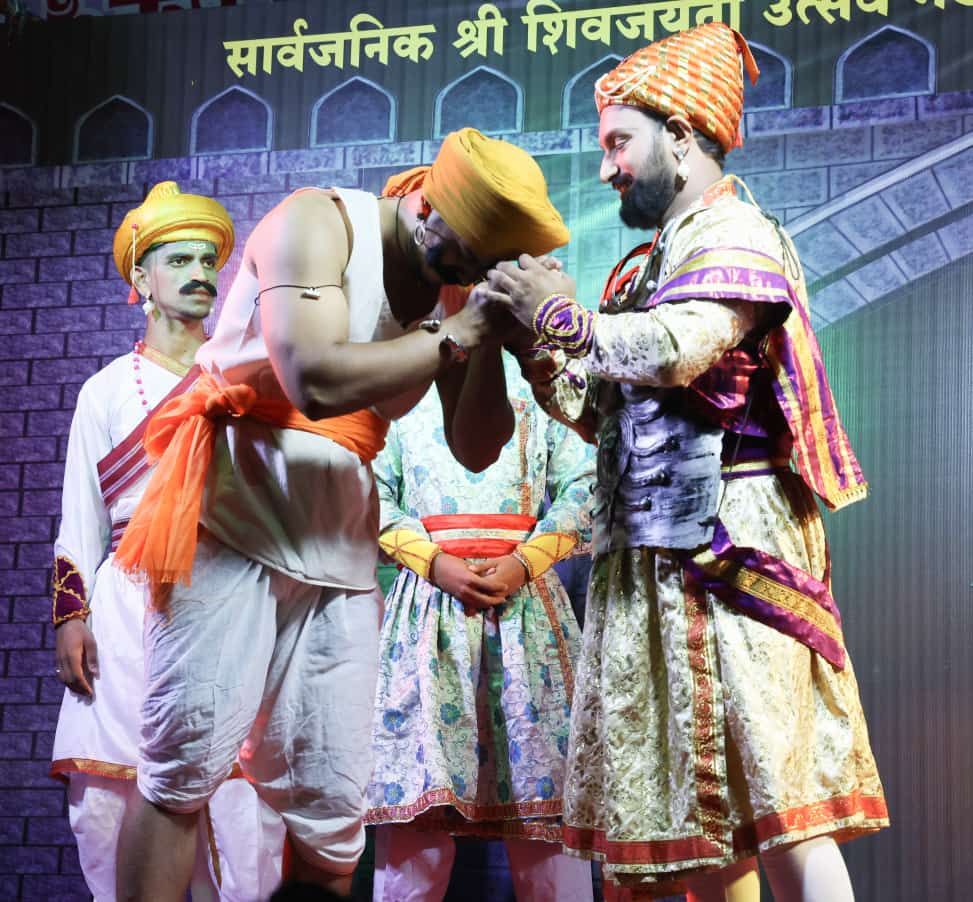
From handwritten letters in Dinbandhu to today’s large-scale public celebrations, the journey of Shivjayanti in Belagavi is a testament to the city’s enduring cultural consciousness.
What started in the 1890s as a humble tribute has today become a defining tradition—one that continues to inspire devotion, unity, and historical awareness with undiminished fervour.