



Property developers and homebuyers in Belagavi are set to face higher construction costs as the Belagavi City Corporation prepares to increase development charges by 10% from July, in line with a policy adopted during the period of administrative rule.
At present, the Corporation collects ₹852 per square metre as a development charge while granting building permits. Following the proposed revision, the rate will increase to ₹937 per square metre. As a result, the development charge for a guntha of land is expected to rise to nearly ₹96,000 to ₹1 lakh.
The annual increase is part of a decision taken during the administrative tenure of the Corporation, under which development charges are to be revised upward by 10% every year. The implementation of this policy has drawn strong opposition from the construction sector.

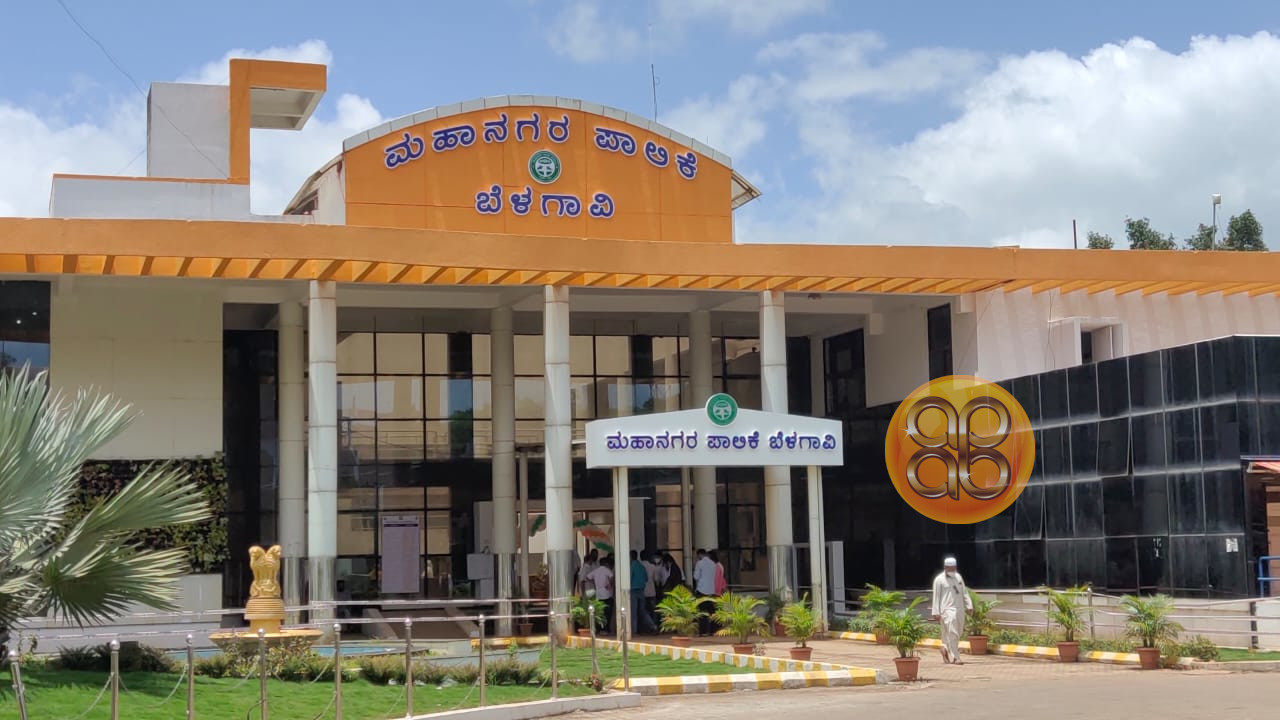
Builders and developers, represented through CREDAI, have argued that the steep annual increase is unreasonable. They point out that property tax revisions are generally limited to 3% to 5%, whereas development charges are being subjected to a much higher yearly hike. Earlier, such charges were revised once every two or three years rather than annually.
According to industry representatives, the recurring increase raises the cost of obtaining building permits and ultimately pushes up housing prices for buyers. They contend that the additional burden will affect both the construction industry and prospective homeowners.
Builders have demanded that the Corporation withdraw the provision for a 10% annual increase and instead adopt a more moderate revision mechanism similar to property tax hikes, limiting the increase to around 3%.
Representations seeking a review of the decision have reportedly been submitted to the Mayor and Deputy Mayor through elected representatives and various organisations. There is growing expectation within the industry that the newly elected municipal body may reconsider the policy and introduce a fresh resolution.
The decision has also triggered questions within the construction sector regarding the rationale behind the annual 10% increase. Industry stakeholders are seeking clarity on the recommendations and studies that led to the policy, expressing concern that continuously rising development charges could slow construction activity and affect the city’s growth.
No one believes that city Corp will develop after collecting more charges, so first city Corp has to develop city n neighboring area with all needed facilities n then collect d addl charges.